The History of TCM

In remote antiquity, the ancestors of the Chinese nation chanced to find that some creatures and plants could serve as remedies for certain ailments and pains, and came to gradually master their application. As time went by, people began to actively seek out such remedies and methods for preventing and treating diseases. Sayings like “Shennong (Celestial Farmer) tasting a hundred herbs” and “food and medicine coming from the same source” are characteristic of those years.

The discovery of alcohol in the Xia Dynasty (c. 2070-1600 BC) and the invention of herbal decoction in the Shang Dynasty (1600-1046 BC) rendered medicines more effective.

In the Western Zhou Dynasty (1046-771 BC), doctors began to be classified into four categories – dietician, physician, doctor of decoctions and veterinarian.

During the Spring and Autumn and Warring States Period (770-221 BC), Bian Que drew on the experience of his predecessors and put forward the four diagnostic methods – inspection, auscultation & olfaction, inquiry, and palpation, laying the foundation for TCM diagnosis and treatment.

The Huang Di Nei Jing (Yellow Emperor’s Inner Canon) compiled during the Qin and Han times (221 BC-AD 220) offered systematic discourses on human physiology, on pathology, on the symptoms of illness, on preventative treatment, and on the principles and methods of treatment. This book defined the framework of TCM, thus serving as a landmark in TCM’s development and symbolizing the transformation from the accumulation of clinical experience to the systematic summation of theories. A theoretical framework for TCM had been in place.

The Shang Han Za Bing Lun (Treatise on Febrile Diseases and Miscellaneous Illnesses) collated by Zhang Zhongjing in the Eastern Han Dynasty (25-220) advanced the principles and methods to treat febrile diseases due to exogenous factors (including pestilences). It expounds on the rules and principles of differentiating the patterns of miscellaneous illnesses caused by internal ailments, including their prevention, pathology, symptoms, therapies, and treatment. It establishes the theory and methodology for syndrome pattern diagnosis and treatment differentiation. The Shen Nong Ben Cao Jing (Shennong’s Classic of Materia Medica) – another masterpiece of medical literature appeared during this period – outlines the theory of the compatibility of medicinal ingredients. For example, it holds that a prescription should include at the same time the jun (or sovereign), chen (or minister), zuo (or assistant) and shi (or messenger) ingredient drugs, and should give expression to the harmony of the seven emotions as well as the properties of drugs known as “four natures” and “five flavors.” All this provides guidance to the production of TCM prescriptions, safe application of TCM drugs and enhancement of the therapeutic effects, thus laying the foundation for the formation and development of TCM pharmaceutical theory. In the late years of the Eastern Han Dynasty, Hua Tuo (c. 140-208) was recorded to be the first person to use anesthetic (mafeisan) during surgery.

The Zhen Jiu Jia Yi Jing (AB Canon of Acupuncture and Moxibustion) by Huangfu Mi during the Western Jin time (265-316) expounded on the concepts of zangfu (internal organs) and jingluo (meridians and collaterals). This was the point when theory of jingluo and acupuncture & moxibustion began to take shape.

Sun Simiao, a great doctor of the Tang Dynasty (618-907), proposed that mastership of medicine lies in proficient medical skills and lofty medical ethics, which eventually became the embodiment of a moral value of the Chinese nation, a core value that has been conscientiously upheld by the TCM circles.

A herbology and nature masterpiece, the Ben Cao Gang Mu (Compendium of Materia Medica) compiled by Li Shizhen in the Ming Dynasty (1368-1644) was the first book in the world that scientifically categorized medicinal herbs. It was a pioneering work that advanced TCM pharmaceutical theory.

The Wen Re Lun (A Treatise on Epidemic Febrile Diseases) by Ye Tianshi during the Qing Dynasty (1644-1911) developed the principles and methods for prevention and treatment of pestilential febrile diseases. It represents the theory and results of the practice of TCM in preventing and treating such diseases.

Following the spread of Western medicine in China from the mid-Qing Dynasty, especially during the period of the Republic of China (1912-1949), some TCM experts began to explore ways to absorb the essence of Western medicine for a combination of TCM with Western medicine.
Characteristics of TCM

During its course of development spanning a couple of millennia, TCM has kept drawing and assimilating advanced elements of natural science and humanities. Through many innovations, its theoretical base covered more ground and its remedies against various diseases expanded, displaying unique characteristics.

First, setting great store by the holistic view. TCM deems that the relationship between humans and nature is an interactive and inseparable whole, as are the relationships between humans and the society, and between the internal organs of the human body, so it values the impacts of natural and social environment on health and illness. Moreover, it believes that the mind and body are closely connected, emphasizing the coordination of physical and mental factors and their interactions in the conditions of health and illness.

Second, setting great store by the principle of harmony. TCM lays particular stress on the importance of harmony on health, holding that a person’s physical health depends on harmony in the functions of the various body organs, the moderate status of the emotional expression, and adaption and compliance to different environments, of which the most vital is the dynamic balance between yin and yang. The fundamental reason for illness is that various internal and external factors disturb the dynamic balance. Therefore, maintaining health actually means conserving the dynamic balance of body functions, and curing diseases means restoring chaotic body functions to a state of coordination and harmony.

Third, emphasis on individuality. TCM treats a disease based on full consideration of the individual constitution, climatic and seasonal conditions, and environment. This is embodied in the term “giving treatment on the basis of syndrome differentiation.” Syndrome differentiation means diagnosing an illness as a certain syndrome on the basis of analyzing the specific symptoms and physical signs collected by way of inspection, auscultation & olfaction, inquiry, and palpation, while giving treatment means defining the treatment approach in line with the syndrome differentiated. TCM therapies focus on the person who is sick rather than the illness that the patient contracts, i.e., aiming to restore the harmonious state of body functions that is disrupted by pathogenic factors.

Fourth, emphasis on preventative treatment. Preventative treatment is a core belief of TCM, which lays great emphasis on prevention before a disease arises, guarding against pathological changes when falling sick, and protecting recovering patients from relapse. TCM believes that lifestyle is closely related to health, so it advocates health should be preserved in daily life. TCM thinks that a person’s health can be improved through emotional adjustment, balanced labor and rest, a sensible diet, and a regular life, or through appropriate intervention in the lifestyle based on people’s specific physical conditions. By these means, people can cultivate vital energy to protect themselves from harm and keep healthy.

Fifth, simplicity. TCM doctors diagnose patients through inspection, auscultation & olfaction, inquiry, and palpation. In addition to medication, TCM has many non-pharmacological alternative approaches such as acupuncture and moxibustion, tuina (massage), cupping and guasha (spooning). There is no need for complex equipment. TCM tools, for example, the small splints used in Chinese osteopathy, the spoons used in guasha, or the cups used in cupping therapy, can draw from materials close at hand, so that such treatments can spread easily.

TCM’s Contributions

TCM is an important component and a characteristic feature of traditional Chinese culture. Applying such principles as “man should observe the law of the nature and seek for the unity of the heaven and humanity,” “yin and yang should be balanced to obtain the golden mean,” and “practice of medicine should aim to help people,” TCM embodies the core value of Chinese civilization. TCM also advocates “full consideration of the environment, individual constitution, and climatic and seasonal conditions when practicing syndrome differentiation and determining therapies,” “reinforcing the fundamental and cultivating the vital energy, and strengthening tendons and bones,” and “mastership of medicine lying in proficient medical skills and lofty medical ethics,” all concepts that enrich Chinese culture and provide an enlightened base from which to study and transform the world.

TCM originated in the Chinese culture. It explains health and diseases from a macro, systemic and holistic perspective. It shows how China perceives nature. As a unique form of medicine, TCM exercises a profound influence on the life of the Chinese people. It is a major means to help the Chinese people maintain health, cure diseases, and live a long life. The Chinese nation has survived countless natural disasters, wars and pestilences, and continues to prosper. In this process, TCM has made a great contribution.

Born in China, TCM has also absorbed the essence of other civilizations, evolved, and gradually spread throughout the world. As early as the Qin and Han dynasties (221 BC-AD 220), TCM was popular in many neighboring countries and exerted a major impact on their traditional medicines. The TCM smallpox vaccination technique had already spread outside of China during the Ming and Qing dynasties (1368-1911). The Ben Cao Gang Mu (Compendium of Materia Medica) was translated into various languages and widely read, and Charles Darwin, the British biologist, hailed the book as an “ancient Chinese encyclopedia.” The remarkable effects of acupuncture and moxibustion have won it popularity throughout the world. The discovery of qinghaosu (artemisinin, an anti-malaria drug) has saved millions of lives, especially in developing countries. Meanwhile, massive imports of medicinal substances such as frankincense and myrrh have enriched TCM therapies.

Contact us

For more details and treatment arrangements, feel free to contact us:

Skype: cn.tcm.academy

WhatsApp & Phone: +86 18032911295

Email:  tcm-doctor@outlook.com

China Jinzhou Health Consulting Center
388 Changjiang Str., National High-Tech. Park, Shijiazhuang, China

Therapy HONORS

In recent years, the Theray has been awarded many prestigious honors for this work regarding the treatment of necrosis. Some of these honors include:

Gold Medal & Best Project Award by the China Patent Department & China Intellectual Property Rights Department

National Invention Medal in Australia

Knight Medal in Belgium

Cross Medal in Spain

In addition to these achievements, the China Science & Technology Committee has spread this techniques since 1995. The methods have also won one of the 10 Science & Technology Achievements popularized by the Chinese Government in TCM in 2003. Furthermore, People’s Health Publishing House has published the Non-surgical Treatments for Necrosis of the Femoral Head and the Beijing Science & Technology Committee has given the hospital a certificate of new and advance technique enterprise of Beijing. The hospital was rated as State-level Key Specialty Hospital from 2013.

AVN of Femur Head

Avascular necrosis (AVN) of the femoral head is an increasingly common cause of musculoskeletal disability, and it poses a major diagnostic and therapeutic challenge. Although patients are initially asymptomatic, avascular necrosis (AVN) of the femoral head usually progresses to joint destruction, requiring total hip replacement (THR), usually before the fifth decade. In fact, 50% of patients with avascular necrosis experience severe joint destruction as a result of deterioration and undergo a major surgical procedure for treatment within 3 years of diagnosis. Femoral head collapse usually occurs within 2 years after development of hip pain.
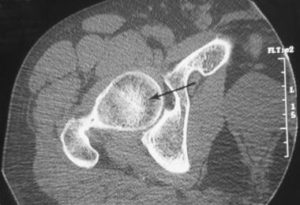
Axial computed tomography scan in a patient without avascular necrosis of the femoral head shows prominent and thickened but normal trabeculae (arrow) within the femoral head. Note the delicate, sclerotic, raylike branchings emanating in a radial fashion from the central dense band. This is the asterisk sign. See also the next image.

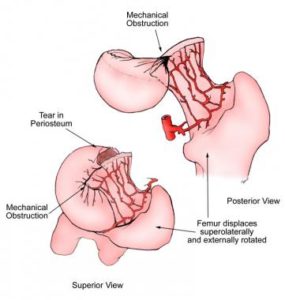
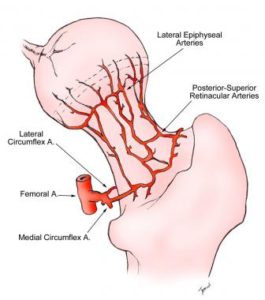
Avascular necrosis of the femoral head. Illustration of the normal circulation of the femoral head, viewed from the posterior approach. The posterior-superior retinacular arteries provide the major blood supply to the epiphysis. They traverse the femoral neck and are contained within the joint capsule and give rise to the lateral epiphyseal vessels at the junction of the femoral head and neck. From there, they penetrate the femur and supply the femoral epiphysis. A. = artery.

Avascular necrosis of the femoral head. Illustration demonstrating that the blood supply to the femoral head is compromised by subcapital femoral fractures or slipped capital femoral epiphysis. As the epiphysis or femoral neck separates from the femoral head, the femoral metaphysis displaces superolaterally and the femur rotates externally. This causes the distal posterior-superior retinacular arteries and proximal lateral epiphyseal vessels to kink or rotate, compromising the blood flow to the epiphysis. If this condition were to persist, the femoral head would be at high risk for developing avascular necrosis.

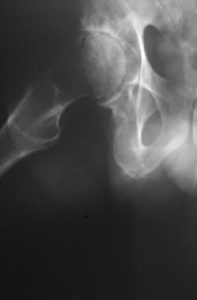
Frogleg lateral view of the right hip in a patient with avascular necrosis shows the crescent sign, indicating subchondral fracture. Therapeutic interventions are less likely to halt progression of the disease once this sign appears. The frogleg lateral view is better than anteroposterior (AP) projection for demonstrating this sign, because the anterior and posterior margins of the acetabulum on the AP projection are superimposed over the superior portion of the femoral head, the usual location of the sign.

10+ Hip Replacement Risks (50,000 metal hip replacement patients RECALLED to hospital)

More than 10 Hip Replacement Risks and Complications
(50,000 metal hip replacement patients RECALLED to hospital for X-rays over toxic fears

THOUSANDS of patients with ‘metal on metal’ hips are being recalled for tests after experts revealed they could be toxic.

http://www.express.co.uk/life-style/health/822810/metal-hip-replacement-xray-blood-test-toxic-sepsis-risk

By OLIVIA LERCHE PUBLISHED: 08:24, Fri, Jun 30, 2017 | UPDATED: 08:48, Fri, Jun 30, 2017 – SEE Second Part below)
In hip replacement risks are similar to those associated with all joint replacements such as Vein thrombosis, dislocation, loosening,
impingement, infection, osteolysis, metal sensitivity, nerve palsy, pain and death.

Vein thrombosis
Venous thrombosis such as deep vein thrombosis and pulmonary embolism are relatively common following hip replacement surgery.

Dislocation
Dislocation is the most common complication of hip replacement surgery. At surgery the femoral head is taken out of the socket, hip implants are placed and the hip put back into proper position. It takes eight to twelve weeks for the soft tissues injured or cut during surgery to heal. During this period, the hip ball can come out of the socket. The chance of this is diminished if less tissue is cut, if the tissue cut is repaired and if large diameter head balls are used. Surgeons who perform more of the operations each year tend to have fewer patients dislocate. Doing the surgery from an anterior approach seems to lower dislocation rates when small diameter heads are used, but the benefit has not been shown when compared to modern posterior incisions with the use of larger diameter heads. Patients can decrease the risk further by keeping the leg out of certain positions during the first few months after surgery. Use of alcohol by patients during this early period is also associated with an increased rate of dislocation.

Fracture
Bones with internal fixation devices in situ are at risk of periprosthetic fractures at the end of the implant, an area of relative mechanical stress. Post-operative femoral fractures are graded by the Vancouver classification.

Osteolysis
Many long-term problems with hip replacements are the result of osteolysis. This is the loss of bone caused by the body’s reaction to polyethylene wear debris, fine bits of plastic that come off the cup liner over time. An inflammatory process causes bone resorption that may lead to subsequent loosening of the hip implants and even fractures in the bone around the implants. In an attempt to eliminate the generation of wear particles, ceramic bearing surfaces are being used in the hope that they will have less wear and less osteolysis with better long-term results. Metal cup liners joined with metal heads (metal-on-metal hip arthroplasty) were also developed for similar reasons. In the lab these show excellent wear characteristics and benefit from a different mode of lubrication. At the same time that these two bearing surfaces were being developed, highly cross linked polyethylene plastic liners were also developed. The greater cross linking significantly reduces the amount of plastic wear debris given off over time. The newer ceramic and metal prostheses do not always have the long-term track record of established metal on poly bearings. Ceramic pieces can break leading to catastrophic failure. This occurs in about 2% of the implants placed. They may also cause an audible, high pitched squeaking noise with activity. Metal-on-metal arthroplasty releases metal debris into the body raising concerns about the potential dangers of these accumulating over time. Highly cross linked polyethylene is not as strong as regular polyethylene. These plastic liners can crack or break free of the metal shell that holds them.

Loosening
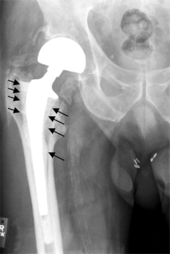
As shown on right radiography, hip prosthesis displays aseptic loosening (arrows)
On the radiography, it is normal to see thin radiolucent areas of less than 2 mm around hip prosthesis components, or between a cement mantle and bone. However, these may still indicate loosening of the prosthesis if they are new or changing, and areas greater than 2 mm may be harmless if they are stable. In the first year after insertion of uncemented femoral stems, it is normal to have mild subsidence (less than 10 mm).

Metal sensitivity
Concerns are being raised about the metal sensitivity and potential dangers of metal particulate debris. New publications have demonstrated development of pseudotumors, soft tissue masses containing necrotic tissue, around the hip joint. It appears these masses are more common in women and these patients show a higher level of iron in the blood. The cause is unknown and is probably multifactorial. There may be a toxic reaction to an excess of particulate metal wear debris or a hypersensitivity reaction to a normal amount of metal debris.Metal hypersensitivity is a well-established phenomenon and is common, affecting about 10–15% of the population. Contact with metals can cause immune reactions such as skin hives, eczema, redness and itching. Although little is known about the short- and long-term pharmacodynamics and bioavailability of circulating metal degradation products in vivo, there have been many reports of immunologic type responses temporally associated with implantation of metal components. Individual case reports link hypersensitivity immune reactions with adverse performance of metallic clinical cardiovascular, orthopedic and plastic surgical and dental implants.

Metal toxicity
Most hip replacements consist of cobalt and chromium alloys, or titanium. Stainless steel is no longer used. All implants release their constituent ions into the blood. Typically these are excreted in the urine, but in certain individuals the ions can accumulate in the body. In implants which involve metal-on-metal contact, microscopic fragments of cobalt and chromium can be absorbed into the patient’s bloodstream. There are reports of cobalt toxicity with hip replacement patients.

Nerve palsy
Post operative sciatic nerve palsy is another possible complication. The incidence of this complication is low. Femoral nerve palsy is another but much more rare complication. Both of these will typically resolve over time, but the healing process is slow. Patients with pre-existing nerve injury are at greater risk of experiencing this complication and are also slower to recover.

Chronic pain
A few patients who have had a hip replacement suffer chronic pain after the surgery. Groin pain can develop if the muscle that raises the hip (iliopsoas) rubs against the edge of the acetabular cup. Bursitis can develop at the trochanter where a surgical scar crosses the bone, or if the femoral component used pushes the leg out to the side too far. Also some patients can experience pain in cold or damp weather. Incision made in the front of the hip (anterior approach) can cut a nerve running down the thigh leading to numbness in the thigh and occasionally chronic pain at the point where the nerve was cut (a neuroma).

Death
The rate of death for elective hip replacements is significantly less than 1%.

Leg length inequality
The leg can be lengthened or shortened during surgery. Unequal legs are the most common complaint by patients after surgery with over lengthening the most common problem. Sometimes the leg seems long immediately after surgery when in fact both are equal length. An arthritic hip can develop contractures that make the leg behave as if it is short. When these are relieved with replacement surgery and normal motion and function are restored, the body feels that the limb is now longer than it was. If the legs are truly equal, the sense of inequality resolves within a month or two of surgery. If the leg is unequal, it will not. A shoe lift for the short leg, or in extreme cases, a corrective operation may be needed.

Metal-on-metal hip implant failure
Failures may relate to release of minute metallic particles or metal ions from wear of the implants, causing pain and disability severe enough to require revision surgery in 1–3% of patients. Design deficits of some prosthesis models, especially with heat-treated alloys and a lack of special surgical experience accounts for most of the failures. The cause of these failures remain controversial, and may include both design factors, technique factors, and factors related to patient immune responses (allergy type reactions). It is not clear to what extent this phenomenon negatively affects orthopedic patients. However, for patients presenting with signs of an allergic reactions, evaluation for sensitivity should be conducted. There is increasing awareness of the phenomenon of metal sensitivity and many surgeons now take this into account when planning which implant is optimal for each patient.

50,000 metal hip replacement patients RECALLED to hospital for X-rays over toxic fears

THOUSANDS of patients with ‘metal on metal’ hips are being recalled for tests after experts revealed they could be toxic.

http://www.express.co.uk/life-style/health/822810/metal-hip-replacement-xray-blood-test-toxic-sepsis-risk

By OLIVIA LERCHE

PUBLISHED: 08:24, Fri, Jun 30, 2017 | UPDATED: 08:48, Fri, Jun 30, 2017

All patients with the devices are being urged to have checks by medical professionals after a safety warning was issued by a health watchdog.

The Medicines and Healthcare products Regulatory Agency (MHRA) said the move is a precautionary measure.

There have been concerns in the past over the devices – with a limited number of patients previously being recalled for tests. But now the issue could be even more serious than first believed.

Now experts have said people could be at risk of muscle or bone damage – and even high levels of metal in the blood.

Blood poisoning – also known as sepsis is a life-threatening condition.

The Medicines and Healthcare products Regulatory Agency (MHRA) as a precautionary measure has today issued updated guidance for healthcare professionals who manage patients implanted with metal-on-metal hip replacements.

This updated guidance replaces the previous advice provided in 2012.

The key changes include additional recommendations regarding monitoring patients and are designed to ensure longer term followup is undertaken for all patients with these implants.

Dr McGuire added: “The clinical advice we have received indicates patients will likely have the best outcomes if these problems are detected early, monitored and treated if necessary.

“If you have any questions about your hip replacement, speak with your GP or implanting surgeon.”

A hip replacement is a common type of surgery where a damaged hip joint is replaced with an artificial one.

Adults of any age can be considered for a hip replacement, although most are carried out on people between the ages of 60 and 80.

blob:http://www.express.co.uk/d6251f36-cd91-474d-b334-5d7e16bc453e

Get a Well Functioning Femur Head

DO NOT MISS the Treatment TO GET A WELL FUNCTIONING FEMUR HEAD!

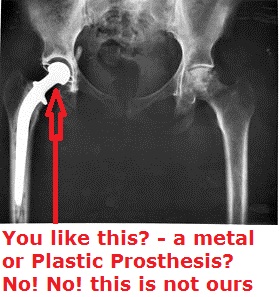
IF only because YOU are short of TCM knowledge, or only because you doubt TCM treatment of AVN, You miss the Chance to save your own Hips, instead to have a PROSTHESIS (plastic or Metal Parts), IT IS A GREAT TRAGEDY!

OUR TCM treatment cures the necrosis from the ROOT!  Why don’t believe?  YOU can try 1-3 courses and welcome you to visit us.  SEE it in your eyes.

As almost all of Necrosis Patients know, Femur Head Necrosis is a tough condition on this World. Conventional Medicine (Western Medicine) has no cure for it! At early stage(the best time to cure it easily),your doctors only can treat the symptoms (decrease your pains), then later ask you to do Core Decompression, until the final, you have to do HIP REPLACEMENT which has so many risks involved! Even if you are lucky enough to have a successful hip replacement, the Plastic or Metal Parts can not work well with our human body Bones, Muscles, Organs….you have to do the SURGERY again after some years. You become disabled.

FORTUNATELY! TCM has perfect solution for this tough illness! IF only due to your short knowledge or doubts or worries about TCM, you miss the treatment to get a well functioning Femur Head and loose the opportunity to have a happy future life, IT IS A GREAT PITY TO YOU AND YOUR FAMILY!

Since there are many things you do not know, and since Western Medicine can not cure it, as well as there are many risks involved in Hip Replacement! Why don’t you give yourself a new chance to try our amazing TCM treatment? You first try 2-3 courses, then you will confirm it, right? It is NATURAL therapy, no hurt! Think over it! You try it, you trust in it, and you are cured!!

Our treatment by Chinese Medicine will cure the root of your necrosis. Some sensitive patients feel better immediately (couple of hours) after application of our medicine. Most patients will feel better after 1- 3 days of application of our medicine. After the medicine is applied to the lesion, the blood micro-circulation is improved (blood starts to circulate), and the sensitity of the neuro-cells are activated and resumed. Usualy, for early or middle stage patients, as the lesions are repaired (the dead bones are absorbed and the new bones grow), the necrosis will be cured after 6 – 8 treating courses. For late stage patients, because their damages(lesions) of acetabulum and femur head are large and serious (for late stage patients, the acetabulum and femur head serioucly damaged and collapsed, and the surface become uneven), they usually need 12 – 18 treating courses.

The medicine application aims at clearing vascular lesion, and improve the blood micro-circulation of the lesions so that normal blood supply will be realized. When the treatments end, it does not mean the lesions are completely repired. Patients have to STRICTLY follow our doctors instructions during the rehabilitatin period. after rehabilitation and restoring, the necrosis can be cured. for late stage patients, after 12 treating courses, they may still need 6 consolidating courses. They should take inspections in 3 months interval. For patients with serious conditions, even the curing effect is very good, they may have temporary pains due to cold or tireness in 2 years after they finish the treatment, this is normal phenominon.

The medicine application is a process which mainly is for clearing vascular lesion, and improve the blood micro-circulation of the lesions so that normal blood supply will be realized(the lesions are not short of blood). When the treatments reach to lesion repairing period, the joint pains and activity function can not be immediately solved. But they will become better and better as the lesions are repaired with time and until the connditions are cured.

FAQ about our Amazing Natural Treatment of AVN

Q: I’m around 50 year old male and I have Avascular Necrosis in my bilateral femur heads with diminished cartilage in the joint as well. I live in USA. Is there a way to heal this without Surgery and without coming to China for an extended period of time? I’m trying to avoid hip replacement Surgery.

A: YES, we can heal your condition without Surgery for sure.

We hope all patients can visit us even only for 1 or 2 days, BUT if you really can not come,We can EXPRESS the medicine to you.The alternative way: if you have friends in China, you may ask them to bring the medicine to you(like the African patient who had his friend to bring it to him – he got the medicine for the remaining 10, 11, 12 courses – he feels very good).

You can use Skype to talk us -cn.tcm.academy, all WhatsApp can not work in China now.

Q: Are you saying all i need to do is take the medicine and it will heal and regrow the head of my femur bone and cartilage?

A: for younger peoples(specially children) – the newly regrown femur head is exactly same to original, but for senior peoples because of their new bone growth ability, the new head may be smaller than original size, BUT they will get all well functions – click to see examples on our website

The main medicine is external application, but according to your unique condition, you may need to take some nutrition medicine to strengthen your kidney function, we will direct you after we fully review your case – the African gentleman does not take any thing beside our external application

Q: can you give me an idea whats in the medicine?

A: external application – mainly Chinese herbs

Q: Are there any side effects?

A: NO SIDE EFFECTS

Q: Are there any drugs that work against the medicine?

A: Tell us all medications you are taking now and your medical records, we will carelly review, if any we will let you know. USUALLY not!!

Q: Is there any diet that helps promote the healing that you would suggest at the same time?

A: Yes, we will tell you later – mainly to take some nutritions to strengthen your kidey and other organ functions…..

Q: I saw in the pictures on your sight some sort of machine? is that an electric stimulation of some sort and would that help at the same time?

A: Yes, but most peoples do not need it if they get treatment at home – the African and Philiphian patients get their treatments at home now

Q: what part of China are you in, just in case i have a friend who may be traveling there? Closest big city? My friend may be going to China soon and can ask him to pick up the medicine

A: We are near China Capital – Beijing City – only about 1.5 – 2 hours to beijing.

Q: approximately how long does it take to heal if the protocol is followed properly? I have a stage 2 AVN with about a 15 millimeter lesion of dead bone on the femur head.

A: We need to see the hard copy of your recent X-ray,and you may first email us one(This is quite important and solely for your good) – Usually for early stage(no collapse) – 6 treating courses are needed – 1 course -12days. For late stages(collapsed), 12-18 courses are needed.

Q: Sorry to have so many questions but I’m very interested in healing this without surgery and would love to be able to be a success story of natural and non surgical means of healing.

A: We FULYY understand your worries, all oversea patients will have many questions at the begining. After they get our treatment, they will be happy! Pls join our skype, cn.tcm.academy , feel free to call me if you have any questions – +86 18032911295

Q: Please give me an idea of the whole costs.

A: The Cost is: 223usd /per treating course; usualy early stages(no collapsed), 6 treating courses are needed; for late stages(collapsed),12-18 treating courses are needed; processing fee 1000usd (for diagnosis, medicine preparation,function practice training on video,instruction assistant…) Patients usually take 6 courses medicine at first.

Q: How big would the package be for the 6 session treatment, if we could get it to my friend?

A: about 6kg- not much big – other patients brought 6-8 courses medicine first.

Q: how does the treatment work if we are trying to heal deep bone and cartilage with only external applications? Can the skin absorb enough medicine to encourage bone growth?

A: many peoples asked same questions – refer to the African patient’s response on our website – actually he wanted to be treated two sides at same time, but we worried the medicine too strong at beginning , so only treat one side – TOO STRONG-no worry for the penetrating force!

Q: when you send the medicine, do I need to mix it or cook it before I apply it and how many days per week do I apply it and how long per treatment?

A: It is already paste, you may ONLY need to add some water(we have the instructions attached to the medicine). You just put it into the bag we give you and then put on the right position of your body according to our instructions. ALL the time 24h/day, 7d/week(when you want to take a bath,just take off the bag, finishing the bath, put on it, one treating course 12 days)

Q: It’s kind of expensive so would you mind if I speak or contact another patient who has had success?

A: All is exact same – for Chinese patients and for oversea patients,but Chinese patients can use their Insurance, unfortunately, no oversea Insurance available for oversea friends at this moment.

Q: did you say $1000 processing fee? What is that for?

A: all processes of diagnosis,medicine preparation,function practice training on video,instruction assistant, follow up services…

Q: Would it be possible to get the medicine to a hotel where my friend will live? or a company which my friend works for in China?

A: We can deliver it to a hotel or an office in China

(But you should first send us the X-ray imagines and make the payment. We need little time to make the diagnosis and then the herb formula for you,and make all ready and deliver it to the place which you indicated.Please well arrange the time schedule)

Q: how do you normally handle the payment? How do I get you the money?

A: Through Bank Account transfer or Western Union

Q: do I keep movement in my legs and hips while doing the therapy? Meaning, do I try not to walk on it or use crutches or walk around and stretch and keep it mobile? I don’t use crutches right now.

A: After you use our medicine, YOU HAVE TO USE CRUTCH ALL THE TIME ONCE YOU LEAVE YOUR BED,because the new bone can not bear weight until the bones fully developed. Otherwise you will damage the new bones, right? Using the crutch, you can walk… EACH day you should follow our instructions to do function practices (about 1h in morning and 1h in afternooon), We will let you know details later.

Q: Can I set up a phone call with you?

A: Yes, through Skype: cn.tcm.academy or call +86 18032911925

Q: Do you know if the medicine is banned from being brought into the US? even for personal use? I don’t want to put my friend in an awkward position or get him into any trouble by asking him to go through customs with an illegal substance.

6 Kg is easy enough to carry but i would imagine it will be checked when he goes through customs. My doctor friend said she has brought things into the US through customs but when asked she just said it was green tea.

A: our pharmacy confirmed that our Medicine does not contain illegal components(ingredients) to USA CUSTOMS.

Q: Can you tell me approximately how many patients have you treated successfully for AVN with this medicine or therapy?

A: so far, two oversea patients are under treatment, before one Germany and one Japan patient got treatment. Numerous Chinese patients got this treatment and recovered already.

We fully understand your worries, but like the African and Philipphian patients who are still under treatment at home now, you will be happy after the treatment

Q: Can you put me in touch with any of the patients who have done the treatment and would be willing to speak or communicate with me to tell me there experience?

A: All patients keep their privacy and do not want us to release their contact information, but if you visit our hospital, you will see our patients in hospital now and see the amazing effects in person

The Mechanism of our Treatment – How it works to cure your necrosis

1. How it works to cure the intractable Necrosis?

Why it is called AVN – Avascular Necrosis? because for a variety of reasons your femur heads lack or no blood supplies, therefore necrosis happened!

THE CRITICAL point to cure this intractable disease is to CHANGE something so that your body SUPPLY THE BLOOD TO your femur heads again! but HOW????(Conventional Medicine does not solve this problem, right? your local doctor only can suggest you to do Hip Replacement)

For more than 40 years clinic researches and studies, we penetrated the underlying mechanism of necrosis and found the key to cure the intractable condition. From the extensive practices and profound knowledge of traditional Chinese Medicine over thousands of years, combining our persevere efforts, selected from thousands of Chinese herbs, we invented the external using Chinese Medicine Spraying Agent and Paste as well as Injection agent (Patented in China) which is natural, safe and no side effects.

Our invention successfully solved the osmosis proficiency of external applications. It has strong Osmosis ability and can penetrate your skin to reach lesions of deep bone tissues quickly and show effect in several hours after application(because it is strong, usually we recommend first treat one side of your hips and then treat another side).

Our herbal medicine aims at clearing vascular lesions, and improve the blood micro-circulation of the lesions so that normal blood supply will be realized. After the medicine is applied to the lesion, the blood micro-circulation is imrpoved(blood starts to circulate), and the sensitity of the neuro-cells are activated and resumed( before the application, the blood was not circulated, the neuro-cells was not sensitive,even dead). Usualy, for early or middle stage patients, after 2 – 8 months, the lesions are repaired (the dead bones are absorbed and the new bones grow), For late stage patients, because their damages(lesions) of acetabulum and femur head are large and serious(for late stage patients, the acetabulum and femur head serioucly damaged and collapsed, and the surface become uneven), the treating and rehabilitation process will be longer. They usually need 6 month treatment plus 2 month consolidating treatment and when finishing the treatment they need longer rehabilitation time.

The treatment will cure the root of your necrosis and no lapse. When the treatments end, not only your cartilage but also your femur head will be regenerated, the necrosis is cured.

2. Pharmacology, Toxity, Safty,

ADME(absorption,distribution,metabolism,excretion)

The Chinese Herbs are natural, no toxity, no side effect, furthermore it has good smell and also it is EXTERNAL APPLICATION, not absorbed /digested through your stormach, kidney, liver,….body organs, not entering your metabolism system! It only stimulates, activates, improves the blood micro-circulation of the lesions to realize the normal blood supply of your HIPS. It is called TOPICAL Application,acting locally and absolutely SAFE! So far more than 12000 Chinese patients get cured, no side effect, and no lapse! It is really amazing and a great contribution from TCM to the WORLD!

3. How it is administrated?

Usually You only need one of the following Treatments. After we see your Xray, we can tell you which one!

(1) Treatment 1

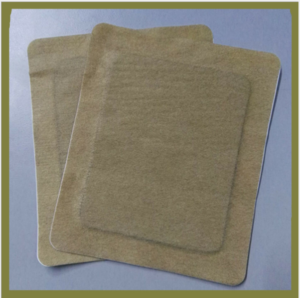
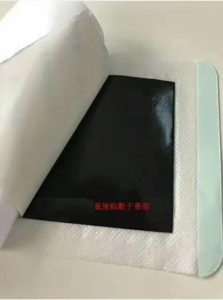
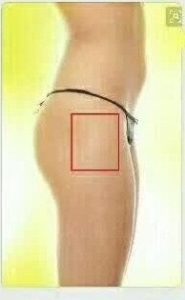
Fig1                                                             Fig2                                                                 Fig3
You will get the medicine like Fig1, and You only need to take off the cover of the medicine like Fig2, then you attach the Medicine on the acupoints /positions of your body like Fig3 (we will direct you how and where to attach it).

(2). Treatment 2
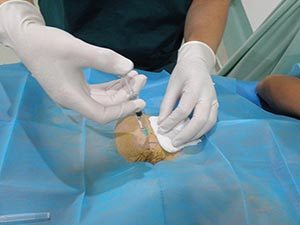
Targeted injection of Chinese Medicine into the right lesions of Femur heads.Not like the oral taking medicine which must be absorbed through the stomach first, and circulated through blood which is essentially poor in femur heads with avascular necrosis, the injection of active ingredients into the right positions of the necrosis can efficiently act on the necrosis lesions, repaire the damaged tissues, restore the blood supplies, activate the neuro-cells, and promote the new bone growth.
(3). Treatment 3

Fig4                                                                Fig5
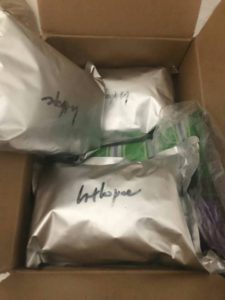
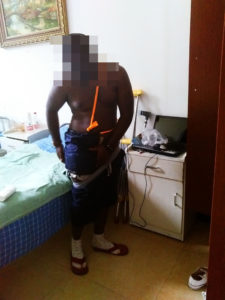
You will get the medicine like Fig4, and then put the medicine into bags and attach it around hips like Fig5. We will give you detailed instructions on how to adjust it EVERY DAY. You take the treatment at your home.

Please leave your contact info, we will send you a Video which shows you how to attach the bag on your HIP area.

(4) Treatment 4
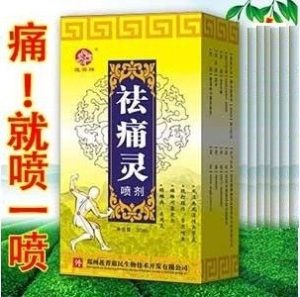
China-patented Spraying agent can release your pains immediately and improve your symptoms in a fast way. Our well trained staff will giude you how and where to spray the amazing liquid

For more informations please refer to link – https://www.top-tcm-doctors.com/hip-replacement-alternatives/